Luxury Hotel Interior Design Ideas Inspired by Middle Eastern Aesthetics

When guests walk into a luxury hotel, the first impression matters. And in the Middle East—where tradition meets grandeur—the right interior design can turn a hotel into a breathtaking experience. From gold accents to intricate patterns and warm hospitality, Middle Eastern design isn’t just about beauty—it’s about storytelling.

In this blog, we’ll explore how hotel interiors can use Middle Eastern aesthetics to deliver unforgettable guest experiences. These ideas are especially valuable for hotels in Dubai, Abu Dhabi, Riyadh, Doha, and other GCC cities looking to blend luxury with local identity.


1. Embrace Arabic Patterns and Geometry

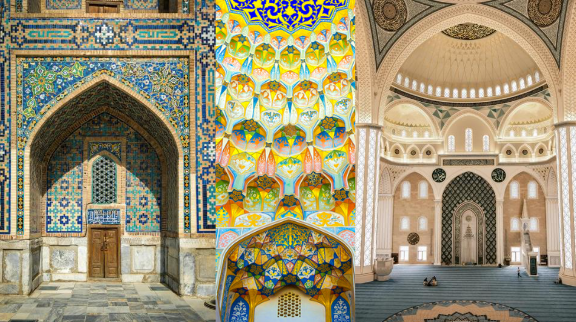
Middle Eastern interiors are famous for their mesmerizing geometric patterns—often seen in mashrabiya screens, tiles, and metal cut-outs. These patterns add texture, depth, and elegance without being overwhelming.

 Design Tip: Use custom wall panels or carved wooden partitions with Islamic geometry to create separation between spaces without closing them off entirely.


2. Incorporate Traditional Arches and Domes

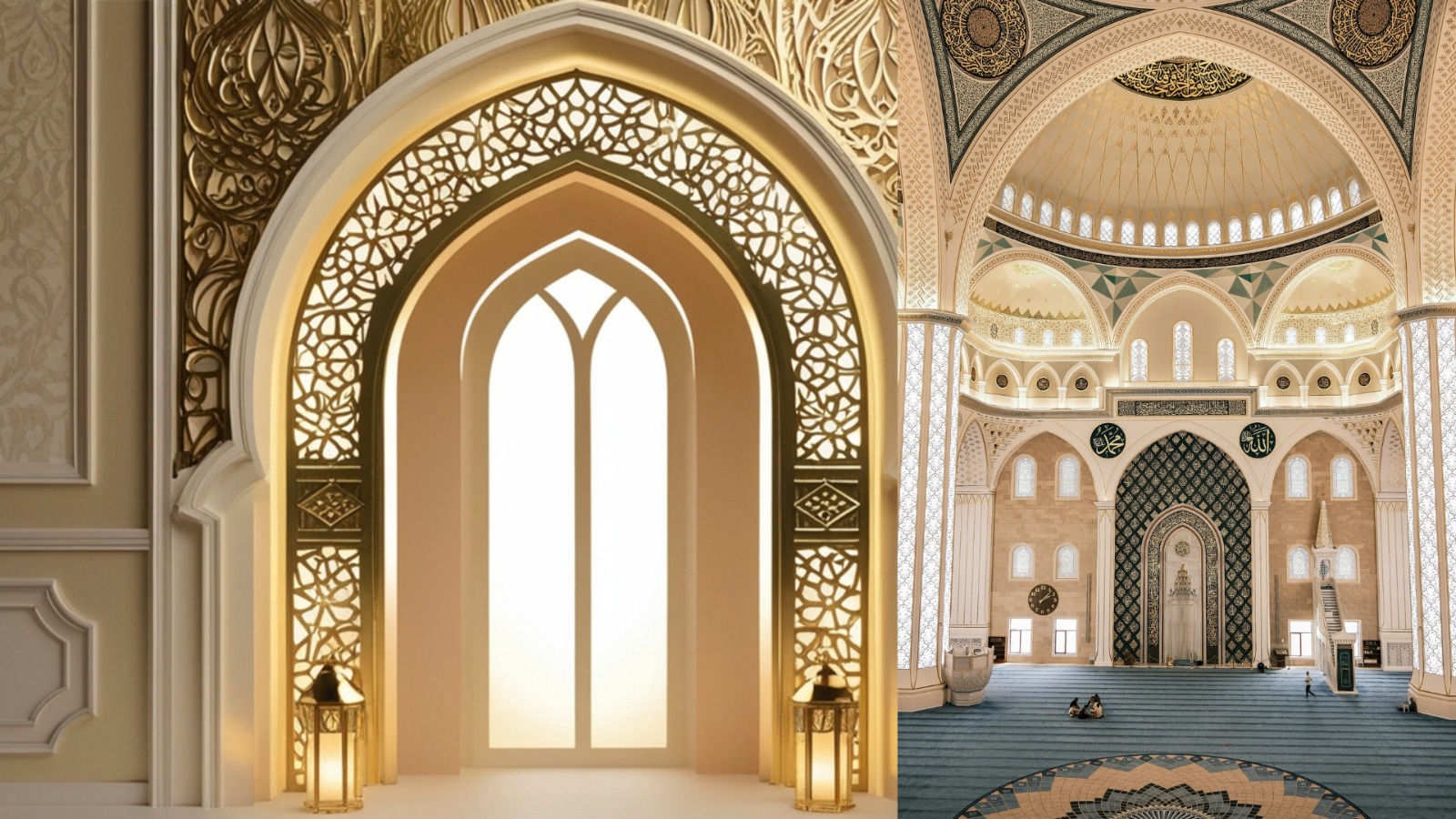
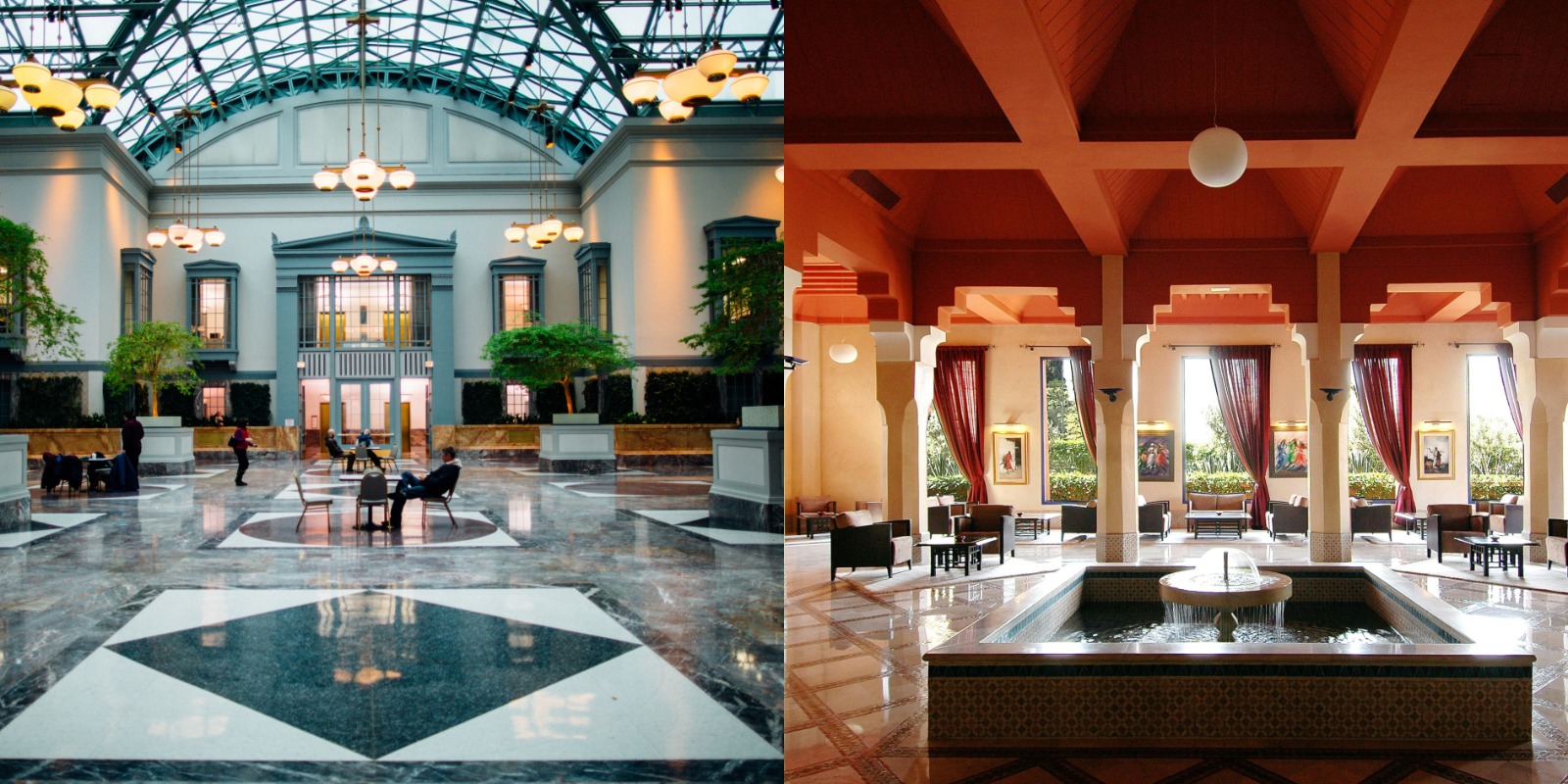
The iconic horseshoe arches, pointed archways, and small dome ceilings often found in Arabian architecture can give any space a regal look. When softened with warm lighting and marble floors, they create that true “palace meets boutique hotel” feeling.

 Design Tip: Add arch-shaped mirrors, doors, and wall niches to pay homage to traditional design in a modern setting.


3. Use Rich, Earthy, and Jewel Tones

Middle Eastern luxury isn’t shy—colors are bold, layered, and deeply cultural. Think desert beige, gold, burnt orange, emerald, sapphire, and deep maroon. These tones add drama and coziness at the same time.

 Design Tip: Layer textures with velvet cushions, leather sofas, and silk drapery in these tones. Match with brass or gold-finished fixtures for that luxury pop.


4. Let Lighting Tell a Story

In Middle Eastern design, lighting is never harsh—it’s soft, ambient, and beautifully crafted. Hotels can bring in drama and romance with brass lanterns, star-cut ceiling lights, or hanging pendants with intricate metalwork.

 Design Tip: Choose mood lighting that creates warm glows. Moroccan-style lanterns or Turkish mosaic lamps work beautifully in lounges, spas, or hallways.


5. Play with Scent and Sensory Design

Interior design isn’t just about what guests see. It’s also about what they feel and smell. Oud, amber, and rose are Middle Eastern scents that instantly transport guests. Infusing spaces with regional aroma adds a unique memory layer.

 Design Tip: Use scent diffusers in lobbies and suites with regional blends—subtle, not overpowering. Pair with warm, plush textures like suede or wool rugs for sensory comfort.


6. Celebrate Local Craftsmanship

Handmade pottery, carved wooden décor, Arabic calligraphy art, and woven textiles bring soul to a space. Modern luxury hotels are now shifting towards showcasing regional artisans, not just imported glamour.

 Design Tip: Add a curated gallery wall of local art, custom Arabic signage, or even handwoven carpets in common areas. Guests love designs that feel rooted in culture.


7. Blend French-Middle Eastern Luxury (Bonus Tip)

Many high-end Middle Eastern hotels now merge French elegance with Arabian soul. Think French chandeliers hanging over mosaic floors, or velvet Louis chairs beside carved teakwood panels.

 Design Tip: Use classical silhouettes with local materials. This East-meets-West blend feels fresh, exclusive, and globally luxurious.


Luxury hotel design isn’t just about looks—it’s about connection. Middle Eastern aesthetics allow hotels to create warm, rich, and immersive environments that reflect both place and prestige. By weaving cultural elements into modern layouts, you don’t just design rooms—you design stories.

So before your next hotel revamp or boutique build, consider letting the desert, the souk, and the palace inspire your spaces.

 Your guests won’t just stay—they’ll remember.


Want a team that brings these ideas to life?
SHTS Interiors specializes in Middle Eastern + French design fusion for luxury spaces in Dubai, Riyadh, and beyond. Let us turn your vision into something truly timeless.

1. Embrace Arabic Patterns and Geometry

Middle Eastern interior design is characterized by warm color palettes, Arabic arches, geometric patterns, mashrabiya screens, ornate lighting, and rich textures like velvet, silk, and carved wood. These elements create a luxurious, culturally grounded atmosphere.

2. Why are hotels in the GCC adopting Middle Eastern-inspired design?

Hotels in Dubai, Abu Dhabi, Riyadh, and Doha are incorporating traditional aesthetics to connect emotionally with guests, stand out in a competitive market, and offer a sense of place that reflects the region’s heritage while providing modern comfort.

3. Can Middle Eastern hotel design be modern and minimalist?

Absolutely. Modern interpretations use subtle references like arched doorways, neutral tones, and abstract Islamic geometry while maintaining sleek, functional layouts. The key is balance—blending tradition with clean lines and contemporary finishes.

4. Is this style suitable for boutique hotels or only luxury resorts?

It suits both. Boutique hotels can use handcrafted elements and textures to create cozy, intimate environments, while luxury resorts often scale the design for grand entrances, spas, or lounges with dramatic lighting and intricate detailing.

5. What are some iconic Middle Eastern elements to include in hotel interiors?

Carved wood panels or mashrabiya
Moroccan or Turkish lanterns
Tiled courtyards or water features
Archways and domes
Gold and brass finishes
Patterned rugs and upholstery
Open vs. Private Offices in 2026: Which Design Boosts Work Better?

The Big Office Question in 2026

As we step into 2026, one workplace debate still lingers:
“Should offices be open or private?”

With the rise of hybrid teams, wellness needs, and focus-friendly environments, the layout of your office isn’t just about looks—it directly affects your team’s productivity, mood, and creativity.

So, how do you decide what’s right for your business?
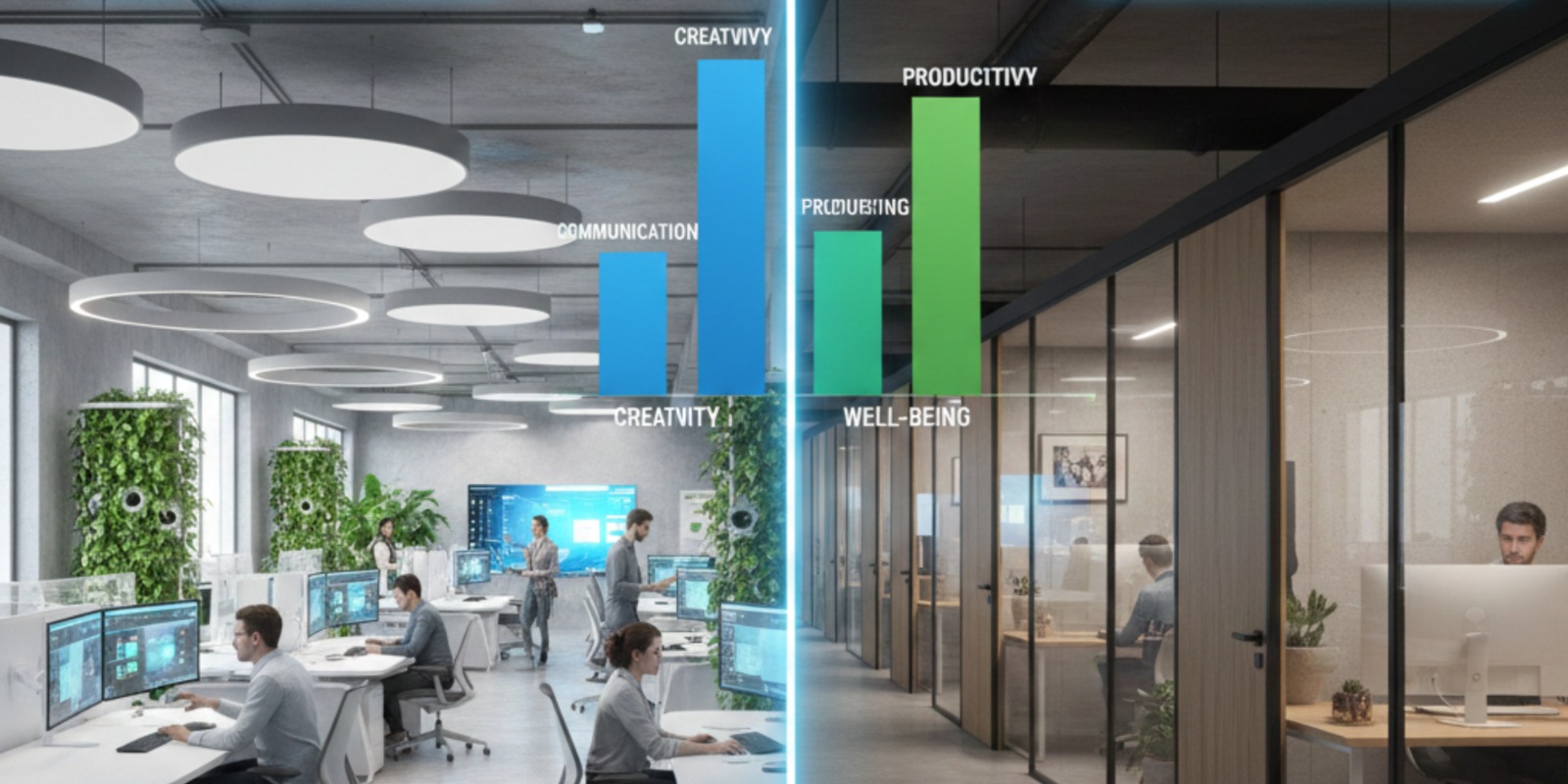
Let’s compare Open vs. Private Office Designs using real-life examples, French-European design principles, and what today’s workers really want.


1. What is an Open Office Layout?

An open office has:

  • No walls or minimal barriers
  • Shared desks, collaborative zones, beanbags, or lounge corners
  • A modern, airy, startup vibe

 Good for:

  • Creative teams (marketing, design, sales)
  • Fast communication
  • Fostering team culture

 Watch out for:

  • Noise distractions
  • Lack of privacy
  • No space to focus deeply

Real 2026 Example:
A fintech startup in Downtown Dubai redesigned its office with open zones + soundproof phone pods. The result? More creativity, but too many people wore headphones to block the noise. Solution? They added soft partitions and “quiet corners.”


2. What is a Private Office Layout?

A private office offers:

  • Individual rooms or enclosed spaces
  • Dedicated workstations
  • Defined zones for focus and meetings

 Good for:

  • Law firms, finance, executive teams
  • Deep work and confidentiality
  • Client-facing meetings

 Watch out for:

  • Less interaction
  • Higher space and construction costs
  • Feels isolating if poorly designed

Real 2026 Example:
A French investment firm in Abu Dhabi adopted semi-private cubicles with acoustic panels and elegant glass doors. This blended privacy with openness, creating a quiet but premium workplace feel.


3. What Do Employees Want in 2026?

Today’s teams want balance.

Surveys show that:

  • 68% of workers feel more productive in quiet zones
  • 74% still want collaboration spaces
  • 3 in 5 remote workers feel disconnected when returning to loud, open offices

Solution?
Use a “Zoned Workspace Design”—a mix of both.
Break your floor plan into:

  • Quiet Focus Zones
  • Collab Areas
  • Phone Pods
  • Meeting Rooms
  • Lounges or Wellness Corners

4. What Role Does Design Play?

Design is more than decoration—it’s strategy.

French-European interior design principles (which are gaining popularity in Dubai and Riyadh) focus on:

  • Flow – how easily people move and feel in the space
  • Calm colors – soft tones reduce visual fatigue
  • Natural textures – wood, fabric, and plants create warmth
  • Lighting – layered lights improve focus and ambience

A well-designed office in 2026 is not flashy—it’s functional, human, and health-focused.


5. Cost vs. Value: What Should You Invest In?

Open offices may seem cheaper, but fixing noise issues later gets expensive.

Private offices require more buildout but offer long-term ROI in staff performance and retention.

Best strategy?
Let a professional designer help you map workflows to floor plans, then match that with acoustic panels, ergonomic furniture, and French-inspired styling.


Choose What Supports Your People

Whether open or private, the best office design in 2026 is the one that:

  • Matches your team’s work style
  • Offers both energy and calm
  • Reflects your brand’s values
  • Feels like a place people want to come to

At SHTS, we specialize in French-European office interiors that combine elegance with efficiency. If you’re planning your next office makeover—open, private, or both—we’ll help you design it right.

Q1: Is an open office better for small businesses?

Open offices are cost-effective and promote collaboration, but you’ll need smart zoning (acoustic panels, focus pods) to avoid distractions.

Q2: What if my team prefers privacy but we don’t have enough rooms?

Use French-style dividers or sliding panels to create semi-private nooks without closing off the entire space.

Q3: How can I blend both open and private layouts?

Zoned designs are perfect: combine meeting booths, team desks, and calm break areas using layered textures and subtle tones.

Q4: What’s trending in office interiors for 2026?

Biophilic elements, quiet zones, neutral palettes, and wellness features (like light therapy or standing desks) are all hot.

Interior Design Compliance in the UAE: Fire Safety, Lighting & Accessibility

Designing a beautiful space is only half the job. In the UAE, where safety and building standards are strict, interior design also means following the rules that protect people’s lives.

Whether you’re working on a luxury villa, an office tower in Dubai, or a cozy apartment in Sharjah, compliance with fire safety, lighting efficiency, and accessibility is non-negotiable.

In this blog, we’ll break it down simply. You’ll learn:

  • Why these rules matter
  • What mistakes to avoid
  • How good design solves problems before they happen

Let’s dive in 


1. Fire Safety: More Than Just Extinguishers

 The Real-Life Risk:

Imagine a stylish restaurant that used the wrong ceiling material — it looked great, but wasn’t fire-rated. When a short circuit occurred, the entire ceiling turned into a hazard.

 UAE Guidelines (in simple terms):

  • All finishes — especially ceilings and wall panels — must be fire-rated
  • Exit paths should be clear and visible at all times
  • Use materials approved by the UAE Civil Defense (e.g., Class A fire retardant paints)

 Design Tip:

French and European designs often feature natural stone, glass partitions, and metal — all of which are inherently fire-safe when sourced correctly.

Bonus: Work with certified interior designers who pre-check all material specs before use.


2. Lighting: Style Meets Sustainability

 The Real-Life Mistake:

One residential project used trendy chandeliers in every room. But the space became too dim, with shadows in key areas like the kitchen — making it hard (and unsafe) to work.

 What UAE Regulations Say:

  • Energy-efficient lighting (LED) is a must — especially in commercial & residential buildings
  • Task lighting (for kitchens, work areas) must meet brightness standards
  • Hotels, offices, and retail spaces often require emergency backup lighting by law

 Design Tip:

Modern European lighting design employs layered lighting — a combination of ceiling, wall, and floor lights — to naturally brighten a space, reduce electricity bills, and meet compliance requirements.

Pro tip: Smart sensors and dimmable lights are both compliant and elegant.


3. Accessibility: Designing for All

 The Overlooked Issue:

A luxurious villa had a staircase with no handrails, narrow doors, and high switches. When an elderly parent moved in, the space became uncomfortable — even dangerous.

 UAE’s Accessibility Requirements:

  • Entry points, bathrooms, and pathways must be wheelchair-accessible
  • Door width must meet minimum clearance standards
  • Switches, handles, and sockets should be installed at a universal height
  • Public spaces and buildings must follow the Dubai Universal Design Code (DUDC)

 Design Tip:

French-inspired interiors often use open layouts and wider doorways, which already align with accessibility goals. Add in soft flooring, gentle lighting, and lower cabinetry, and you’ve got a truly inclusive home.


Good Design Is Safe Design

Interior design is not just about colors and couches. It’s about:

  • Protecting lives through fire-safe materials
  • Improving daily life with the right lighting
  • Welcoming everyone with accessible layouts

At SHTS, we combine elegance with engineering.
From French-inspired luxury to practical safety — we ensure your space is not just beautiful, but compliant with every UAE standard.


Want to Avoid Costly Redesigns or Legal Penalties?

📩 Book a compliance-ready consultation today: info@shtsae.com
📞 +971 54 473 5340

1. interior-design-compliance-uae-safety-lighting-accessibility

Because it’s the law — and more importantly, it protects lives. The UAE has strict rules for fire safety, lighting, and accessibility to keep people safe in homes, offices, restaurants, and hotels.

2. What happens if my home or office doesn’t follow UAE interior design codes?

You could face legal fines, project delays, or even be forced to redo your interiors. In worst cases, unsafe designs can lead to accidents or injuries, especially during fires or emergencies.

3. What materials are fire-safe for interiors?

Look for fire-rated materials like:
Certified gypsum boards
Non-combustible wall paints
Fire-retardant wood panels
Approved ceiling tiles
Make sure all materials are UAE Civil Defense–approved.

4. How do I know if my lighting design is compliant?

A compliant lighting plan includes:
LED lights (energy-efficient)
Sufficient brightness for each room
Emergency backup lights in key areas
Motion sensors in corridors (optional but energy-smart)
A professional interior designer will handle these calculations for you.

5. Is French-European design compliant with UAE codes?

Yes — and in many cases, it’s ahead of the curve. French-European interiors use:
Calm, natural materials (often fire-safe)
Soft lighting and open layouts (good for both lighting & accessibility)
Timeless elegance + practical flow

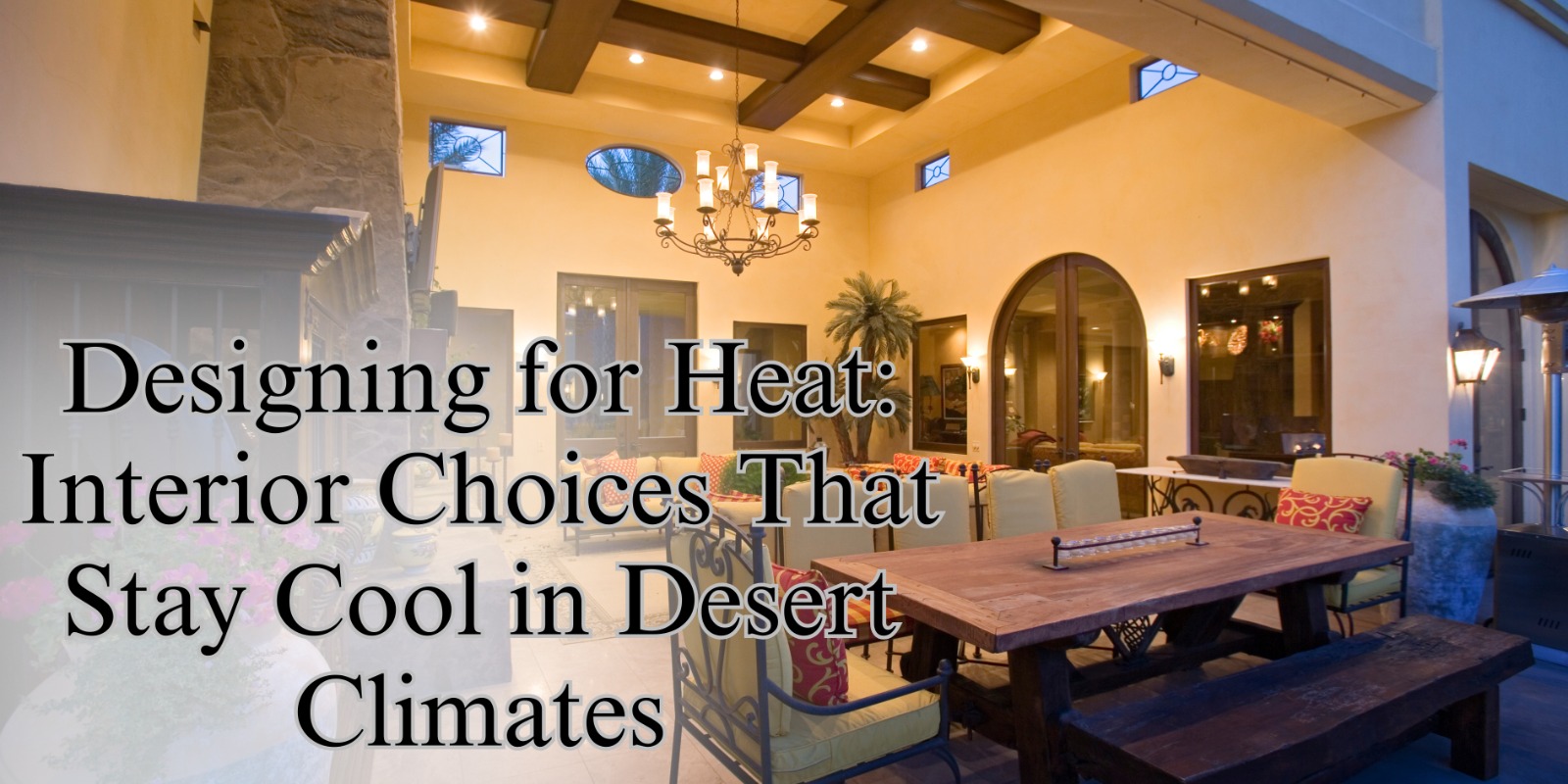
Designing for Heat: Interior Choices That Stay Cool in Desert Climates

Living in a desert climate like Dubai or Riyadh is no joke—especially in the summer. When temperatures soar past 45°C, your home shouldn’t feel like an oven. Many homeowners focus on air conditioning, but smart interior design can play a huge role in keeping your space cooler, more comfortable, and even more energy-efficient.

Whether you’re moving into a new villa or updating your apartment, choosing the right materials, colors, and layouts can make all the difference.

Let’s explore how to design with the desert in mind—stylish, smart, and naturally cool.


1. Start with Color: Light Reflects, Dark Absorbs

One of the easiest ways to beat the heat indoors is by choosing the right color palette.
☀️ Lighter colors like white, ivory, beige, and pale grey reflect sunlight instead of absorbing it. This helps keep rooms cooler throughout the day.
🖼️ Think of French-style interiors—airy whites, warm creams, soft greens—that bring a timeless calm and naturally cooler tone to any room.

Avoid: Dark furniture, rugs, and curtains unless they are in shaded or air-conditioned rooms.


2. Material Matters: Go Natural

Some materials trap heat, while others help it escape. In hot climates, the choice of materials is everything.

 Recommended:

  • Linen & Cotton for curtains and upholstery — breathable and heat-friendly.
  • Marble, Ceramic, or Porcelain Tiles for floors — stay cool to the touch.
  • Rattan, Cane, and Light Woods for furniture — add texture without warmth.

 Avoid:

  • Velvet or leather sofas — they get hot and sticky.
  • Thick carpets — they trap heat and dust.

3. Window Treatments: The Secret Weapon

Windows can be the biggest heat source in your home. The right design can block out sun without sacrificing style.

 Use:

  • Sheer curtains + blackout layers — allows light when you want it, blocks heat when you don’t.
  • Motorized blinds — schedule them to close during peak sun hours.
  • UV-reflective films — almost invisible, yet powerful in reducing indoor heat gain.

French-European designs often layer drapery with soft, elegant folds—perfect for balancing light control and luxury.


4. Ceiling Fans: Style + Function

In desert interiors, ceiling fans aren’t just functional—they can be fabulous.

Choose designer fans that complement your space. Opt for:

  • Wood-look finishes for warmth without heat.
  • White matte finishes for a clean, modern French style.

Bonus: Fans reduce your dependency on AC, cutting energy bills.


5. Space Planning: Let Air Flow

Desert living calls for open, breathable spaces.

 Avoid overcrowding rooms with bulky furniture. Instead:

  • Use open shelving over closed cabinets.
  • Choose modular seating that can be rearranged.
  • Keep entryways and windows free from blockage.

European layouts are known for functional, flowing floor plans. Think “less is luxe.”


6. Plants That Love the Heat (and Help You Too)

Indoor plants not only look great—they help regulate air quality and humidity.

 Best heat-friendly choices:

  • Snake Plant
  • Aloe Vera
  • Rubber Plant
  • ZZ Plant

Place them in ceramic pots for a Mediterranean vibe that fits perfectly with French-European interiors.


7. Cool Lighting Choices

Hot halogen lights are a thing of the past.

 Use:

  • LED lighting – less heat, more life.
  • Dimmable lights – control mood and reduce heat output.
  • Natural light – use mirrors to reflect sunlight into darker corners instead of more bulbs.

In French interiors, chandeliers and pendant lights often use soft gold or brushed metal finishes for a sophisticated but subtle look.


Conclusion:

In hot desert climates, interior design is not just about beauty—it’s about balance. Every piece, palette, and layout choice should help you feel cooler, calmer, and more at home.

Whether you’re designing a Dubai apartment, an Abu Dhabi villa, or a Riyadh penthouse, following these tips will ensure you don’t just survive the heat—you’ll thrive in style.

Need help designing a space that’s cool, elegant, and uniquely yours?
Our French-inspired interiors blend timeless beauty with real-world desert comfort.

📞 Book your free consultation today.
Let us bring calm, cool design into your home.

Why You Should Hire an Interior Designer Before Moving Into Your New Home

Don’t Just Move In—Move In Right

You’ve bought your dream home. The keys are in your hand. Exciting, right?
But before you start unpacking boxes and setting up the furniture, ask yourself:
“Is my space really ready for living?”

Most people assume they can decorate after they move in. But skipping professional interior design before move-in often leads to cluttered layouts, wasted money, and a home that doesn’t feel quite right.

This blog explains why hiring an interior designer before move-in can save you stress, time, and even costs—while making your home look and feel exactly how you imagined it.


The Real-Life Problems of Post-Move Design

Let’s face it—without a plan, these things happen often:

  • You buy furniture that doesn’t fit the room
  • You end up with mismatched styles and colors
  • The lighting feels too harsh or too dim
  • Rooms feel too empty—or too crowded
  • You keep “fixing” things one by one, spending more every month

Many new homeowners in Dubai, Abu Dhabi, and across the GCC face these common problems. And by the time they think of hiring a designer, they’ve already made costly mistakes.


How Interior Designers Solve These Issues Before They Start

A professional interior designer looks at the full picture—not just the decor. They:

 Plan Your Space

They measure, map out, and plan where everything goes—before you move in.

  • No awkward furniture placement
  • Better flow between rooms
  • More storage and usable space

 Define a Style That Reflects You

Designers help you find your home’s identity—whether it’s French minimalist, modern Arabic, or cozy coastal.

  • Consistent color palette
  • Matching textures and materials
  • A home that feels calm, not chaotic

 Optimize Lighting and Comfort

They consider natural light, ceiling height, and your lifestyle needs.

  • Custom lighting plans
  • Soft tones and finishes
  • Zones for work, rest, and family time

 Save Time, Stress, and Money

Designers prevent buying mistakes and reduce back-and-forth shopping.

  • No impulse purchases
  • Avoid costly rework or returns
  • Better use of your move-in budget

Real Feature: French-European Design Before Move-In

In high-end interiors, French and European design brings elegance, structure, and function.

When added before move-in:

  • Arches, moldings, and ceiling details are done before painting
  • Built-in wardrobes and custom kitchens match the design, not fight with it
  • Neutral palettes and natural textures are chosen to reflect luxury and calm

This is hard to do once the furniture is already in place. That’s why designers prefer starting fresh—before the boxes arrive.


Why You Shouldn’t Wait Until “Later”

Many families say, “We’ll live in it first… then we’ll fix it up.”
Here’s what often happens:

  • “Later” turns into months or years
  • You live with discomfort daily
  • Your dream space gets replaced with temporary solutions
  • You spend more on fixing mistakes than on doing it right the first time

A professional designer doesn’t just decorate. They curate a lifestyle that supports your daily routine, your peace of mind, and your long-term satisfaction.


The Best Time to Design Is Before You Move

Whether you’re in Dubai, Sharjah, or Riyadh, the best time to get a designer involved is before move-in:

  • While construction is finishing
  • When renovation work is still open
  • Before you buy furniture or appliances
  • Before you realize the paint color doesn’t match the tiles 😅

Final Thoughts: Move into a Home That’s Truly Ready

Moving is already stressful. Why add design confusion on top of it?

When you bring in a professional interior designer before moving in, you’re not just filling a space—you’re creating a lifestyle.

You’ll walk into a home that’s ready to live, love, and grow in—from day one.


Need Help Designing Before You Move In?

At SHTS Interiors, we help homeowners in the UAE and across the Gulf design their dream homes before the first box arrives. Our team blends functionality with French-European elegance to create spaces that feel right from the very beginning.

📩 Book your pre-move design consultation today.

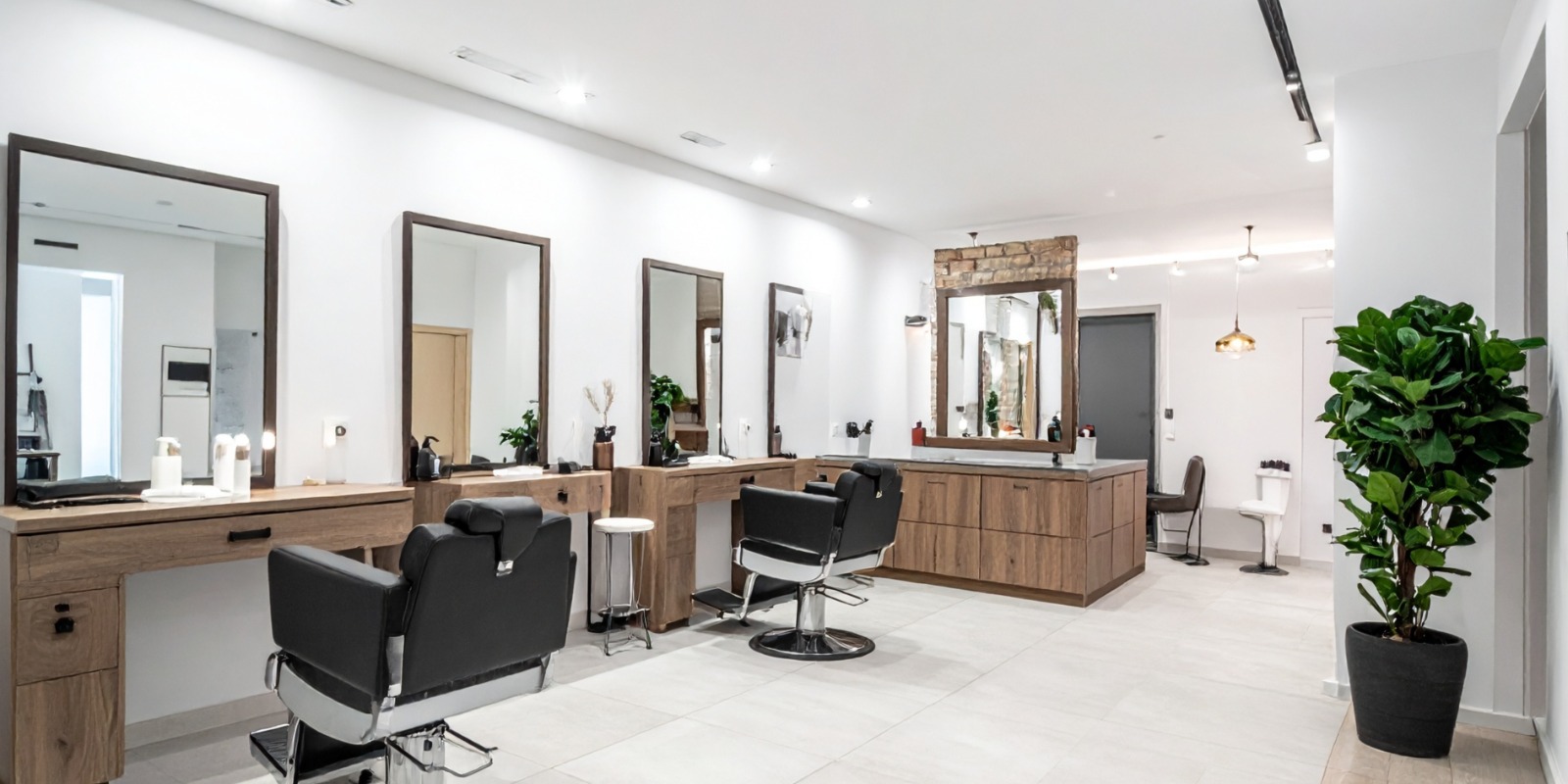
Designing the Perfect Salon & Spa: Interiors That Make Clients Feel Amazing

More Than a Service—It’s an Experience

When someone walks into a salon or spa, they aren’t just looking for a haircut or massage—they want to feel relaxed, pampered, and special. And that feeling starts before the service begins. It starts with the interior design.

In today’s beauty industry, especially in stylish cities like Dubai, Riyadh, or Doha, the ambience of your space can make or break the client experience. A beautiful, functional salon or spa helps you:

  • Attract and retain high-end clients
  • Make guests feel at ease
  • Stand out from competitors
  • Reflect your brand and services

Let’s explore how smart interior design can turn your salon or spa into a space clients love—and want to come back to.


1. First Impressions Matter: Entrance & Reception Design

The reception is the face of your brand. It sets the tone for everything that follows. A cluttered, noisy, or poorly lit entrance can make clients feel rushed or uncomfortable.

 Design Tips:

  • Use soft lighting with warm tones
  • Choose neutral, calming colors like cream, blush, or soft gray
  • Add a stylish front desk with a clean layout and natural textures (like marble, wood, or stone)
  • Offer a comfortable waiting area with French-inspired velvet chairs, fresh flowers, or soft background music

2. Flow and Function: Plan for Smooth Movement

Clients don’t want to feel like they’re walking through a maze—or sitting too close to someone else. Your layout should be easy to navigate, calming, and private where needed.

 Design Tips:

  • Separate zones for hair, nails, facials, and massages
  • Use curtains or glass partitions to divide areas without blocking light
  • Plan clear pathways with non-slip, easy-to-clean floors
  • Add mirrors to make small spaces feel bigger and brighter

 Bonus Tip: In European-style spas, you’ll often find symmetrical layouts—they create a feeling of balance and calm.


3. Create a Sensory Escape: Lighting, Scent & Sound

Salons and spas are places of escape. The lighting, music, and scent should all work together to create a sense of peace.

 Design Tips:

  • Use dim lighting in spa rooms and brighter, even lighting for salon workstations
  • Choose scent diffusers with essential oils like lavender, rose, or eucalyptus
  • Play soft, non-distracting background music to create a relaxing mood
  • Avoid harsh overhead lights—go for wall sconces, floor lamps, or pendant lights with a French or vintage touch

4. Color & Texture: Let Your Brand Shine

The colors you use will affect how people feel in your space. Spa clients want calm. Salon clients want beauty. Your interiors should reflect both.

 Design Tips:

  • For spas: Go with muted palettes—white, sage green, stone, and pale pinks
  • For salons: Add a touch of metallics, black, or navy for elegance and style
  • Mix soft fabrics (like linen or velvet) with hard materials (like wood or marble)
  • Use natural textures and minimal clutter—hallmarks of French/European interiors

5. Functionality Matters: Storage, Stations & Staff Comfort

Stylish design is great, but practicality is just as important. Stylists and therapists need space to move and store tools. Clutter ruins the look and feel of even the most beautiful space.

 Design Tips:

  • Add hidden storage near workstations
  • Use rolling trolleys or under-counter drawers to keep products organized
  • Choose ergonomic furniture for both clients and staff
  • Plan power outlet placements in advance for dryers, lamps, and equipment

6. Add Signature Touches: Make It Instagrammable

In today’s digital world, your interiors are your marketing tool. Clients love to share beautiful spaces. Give them a reason to snap a photo.

 Design Tips:

  • Create a feature wall with floral art, neon signage, or branded wallpaper
  • Add a custom mirror station with gold or vintage frames
  • Use personalized towels, robes, or tea sets to elevate the guest experience
  • Add a mini photo zone or product display corner for added charm

Design That Makes People Feel Beautiful

Salon and spa interiors are not just about looking good—they’re about how people feel. When your space is thoughtfully designed, every guest walks in and thinks:
“This feels amazing.”

With a few smart design choices—especially using timeless French and European aesthetics—you can build a space that not only serves but also inspires.

It’s not just design. It’s an experience.


Need Help Designing Your Salon or Spa?

At SHTS Interiors, we design spaces that feel luxurious, calm, and customized for your beauty brand. Whether you run a boutique facial studio or a high-end salon in Dubai, we bring European elegance and Gulf comfort together.

📩 Let’s create a space your clients never want to leave.

Blending Tradition with Style: Islamic Art & Geometry in Modern Interiors

The Past Inspires the Present

Islamic art is more than just decoration—it’s a reflection of history, identity, and deep meaning. From geometric patterns to arabesque motifs, Islamic design has shaped some of the world’s most beautiful buildings and spaces.

Today, in cities like Dubai, Abu Dhabi, Jeddah, and beyond, these timeless designs are being reimagined in modern homes, offices, and hotels. Interior designers are blending Islamic geometry with modern materials, lighting, and layouts to create spaces that feel both spiritual and stylish.

This blog explores how Islamic art and geometry are shaping modern interior design—and how you can use them to bring peace, balance, and beauty into your space.


What Makes Islamic Art So Unique?

Islamic art is built on patterns, symmetry, repetition, and spiritual symbolism. Instead of showing human or animal forms, it focuses on:

  • Geometric designs
  • Calligraphy (usually verses from the Quran)
  • Arabesque patterns (floral and vine-like)
  • Mosaic tiles and mashrabiya screens

These patterns symbolize order, unity, and the infinite nature of creation, making them a powerful and peaceful addition to any interior.


Why Islamic Design Fits Modern Interiors

You might think Islamic art belongs only in mosques or palaces—but modern designers are proving otherwise. With clean lines, symmetry, and pattern repetition, Islamic geometry fits perfectly with modern minimalism.

Here’s why it works today:

  •  Balance and symmetry calm the mind
  •  Neutral palettes (white, gold, beige) fit with modern colors
  •  Natural materials like wood, marble, and stone connect with sustainable design trends
  •  Intricate details add luxury and cultural depth

It’s not just about tradition—it’s about timeless design that adds soul to modern spaces.


Real-Life Design Features Inspired by Islamic Geometry

1. Mashrabiya Screens

These wooden lattice panels offer privacy and light control. Now, they’re used as:

  • Wall dividers
  • Wardrobe doors
  • Decorative panels behind beds or in lounges

They add depth and texture while still keeping the space breathable and open.


2. Ceiling and Wall Accents

Islamic patterns are now being used as:

  • Laser-cut ceiling panels with soft LED lighting behind
  • Geometric wall art in gold or matte black
  • 3D tile patterns in bathrooms or feature walls

These turn a plain room into something elegant and meaningful.


3. Modern Calligraphy Art

Arabic calligraphy is finding new life in interior spaces—framed on canvas, etched into glass, or even carved into stone panels.

It brings spiritual energy and a personal story into the home, especially when paired with soft lighting and minimal furniture.


4. Islamic Tiles in Kitchens and Bathrooms

From Moroccan zellige to Turkish Iznik tiles, these colorful and detailed tiles bring personality and charm into:

  • Kitchen backsplashes
  • Bathroom feature walls
  • Entryway floors

 Design tip: Use these tiles with plain walls and clean furniture to keep it modern.


5. Furniture and Fabric

Islamic patterns aren’t just for walls—they now appear in:

  • Area rugs
  • Cushion covers
  • Upholstered ottomans
  • Side tables and lamp bases

Choose subtle patterns in neutral tones for a modern look, or go bold with contrast if your space is mostly white or grey.


Real-Life Problem Solved: Cold Modern Spaces Feel Warm Again

Many people in Dubai and other Gulf cities live in ultra-modern apartments that can feel cold or empty.

By adding even small touches of Islamic geometry, like a patterned panel, soft rug, or backlit calligraphy, the space feels more welcoming, meaningful, and personal—without losing that clean, elegant look.


Conclusion: Tradition with a Modern Twist

Islamic art and geometry aren’t just beautiful—they’re deep, thoughtful, and timeless. When blended with modern design, they create spaces that are both functional and full of soul.

Whether you’re decorating a villa, apartment, or office in the UAE or MENA region, adding a touch of Islamic design brings a sense of identity, calm, and elegance.

 It’s not about going back—it’s about bringing the past forward, in a way that fits your life today.


Need Help Creating a Culturally Inspired Modern Space?

At SHTS Interiors, we specialize in blending Islamic tradition with French and modern European design—creating spaces that reflect who you are while embracing timeless style.

📩 Book your design consultation today and bring beauty, balance, and meaning into your space.

The New Hybrid Office: Designing for Focus, Flexibility, and Flow

Work Has Changed—So Should the Office

The way we work has changed forever. After the rise of remote work, many companies in Dubai, Riyadh, and around the world have adopted a hybrid model—a mix of in-office and work-from-home days.

But here’s the catch: most offices were never designed for hybrid work.

Now, businesses are facing real problems:

  • Employees feel disconnected when they come in.
  • Office space goes unused on some days and overcrowded on others.
  • There’s not enough privacy for Zoom calls—or enough comfort to focus.

That’s why modern office interiors are no longer just about desks and chairs. They’re about creating a space that adapts to the way people work today.


What Is a Hybrid Office, Really?

A hybrid office supports employees who work both remotely and in-person. It should help people:

  • Focus when needed
  • Collaborate with ease
  • Relax and recharge during breaks
  • Feel connected, no matter where they are working from

Modern office design now needs to balance function, flexibility, and employee well-being.


Top Office Design Features for a Hybrid World

1. Flexible Workstations

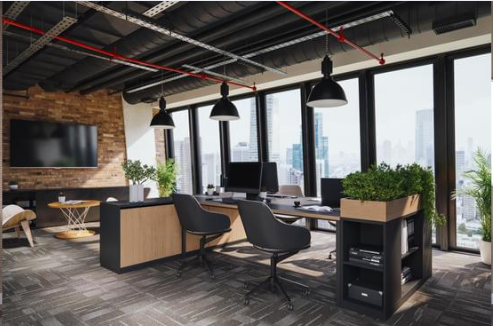
Gone are the days of fixed desks for everyone. Hybrid teams need hot-desking—a system where employees can choose where to sit based on their task that day.

 What it solves: Reduces unused space and supports different working styles.

Bonus Tip: Add lockers or mobile drawers so employees can store personal items.


2. Quiet Zones for Deep Work

Hybrid workers often come to the office when they need focus time. But many open offices are too noisy.

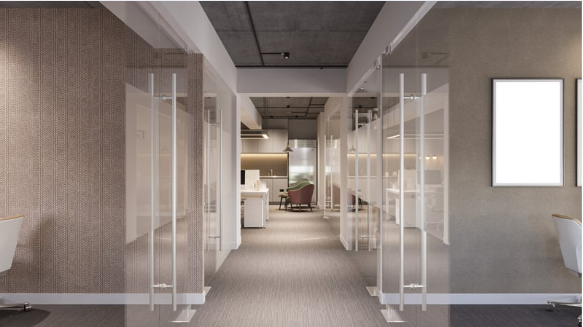
 Solution: Design soundproof pods, quiet corners, or acoustic booths for deep work or Zoom calls.

Use French and European design touches—like fabric wall panels, soft lighting, and light wood—to keep the space both stylish and calming.


3. Collaboration Areas

While some need quiet, others come to the office to brainstorm and connect. Create flexible meeting areas with:

  • Movable tables
  • Whiteboards or smart screens
  • Comfortable seating

 What it solves: Encourages team bonding and innovation.

Design it like a Parisian café—simple chairs, natural light, and a touch of greenery.


4. Tech-Integrated Meeting Rooms

In a hybrid world, half the team might be on video call. Traditional meeting rooms don’t support this well.

 Solution: Install wide-angle cameras, smart screens, and good microphones.

Keep wires hidden and furniture minimal—just like modern Scandinavian design. Let tech blend into the space, not distract from it.


5. Wellness Spaces

Hybrid workers expect more from the office. They want a space that supports their health, not just their tasks.

 Solution: Add wellness zones:

  • Small lounge for breaks
  • Calm room for meditation or prayer
  • Natural plants and soft seating

European influence: Use linen fabrics, soft curved furniture, and neutral tones to create a relaxing vibe.


6. Branded Yet Human Interiors

Today’s office should reflect your company culture while still feeling welcoming and human.

 Solution: Blend brand colors into furniture, art, and lighting. Avoid over-branding.

Use European design tricks—artful minimalism, timeless textures, and layered lighting—to make the space feel warm, not corporate.


Design with People in Mind

The workplace is no longer just a place to work. It’s a place to connect, focus, recharge, and collaborate. The right office design can solve real pain points—disconnection, distraction, burnout—and help your hybrid team do their best work.

In the hybrid era, design isn’t extra.
It’s essential.

Whether you’re renovating a small office in Downtown Dubai or building a flexible space in Riyadh, keep your people at the center—and your design smart, human, and future-ready.


Need Help Designing a Hybrid-Friendly Office?

At SHTS Interiors, we help you redesign your office for the way your team actually works—using modern layouts and European design aesthetics that are both functional and inspiring.

📩 Book a design consultation today.

Open Plan Living Rooms for Hot Climates | French-Inspired Comfort

Cool, Calm & Comfortable

Living in hot regions like Dubai, Abu Dhabi, Riyadh, or Doha means dealing with long summers, strong sunlight, and high humidity. So, when it comes to interior design, comfort isn’t a luxury; it’s a necessity.

One of the best ways to design for comfort in the heat is with an open-plan living room. But not just any open space. We’re talking about smart, breezy, European-inspired layouts that combine beauty with temperature control.

In this blog, you’ll learn how to design an open-plan living room that:

  • Looks elegant (think French charm ✨)
  • Feels airy
  • Stays naturally cooler
  • Works well for both daily life and hosting guests

Let’s explore how to create a space that keeps you cool—and keeps you smiling.


What Is an Open Plan Living Room?

An open plan living room is a layout where the living room, dining area, and sometimes the kitchen all share one large space—with no walls in between.

This layout:

  • Helps rooms feel bigger
  • Allows air and light to flow freely
  • Creates a friendly, relaxed vibe
  • Makes small homes or apartments feel more spacious

In European and French-style homes, open plans are common—especially in countryside villas and Parisian lofts where family and friends gather in one bright space.


Why Open Plans Work Well in Hot Climates

Living in the GCC means we often deal with:

  • Extreme outdoor heat
  • Dry air or high humidity
  • The need to save on electricity (AC use!)

Open plan layouts help by:

  • Improving airflow between zones
  • Maximizing natural light so you don’t need too many lights on
  • Reducing trapped heat from closed doors and tight rooms
  • Allowing for efficient AC cooling across the whole space

Now let’s break down how to design the perfect open-plan living room to beat the heat—without losing style.


1. Choose the Right Color Palette

In French and Mediterranean interiors, soft, neutral colors are used to reflect light and keep things cool.

 Use colors like:

  • White
  • Light beige
  • Soft grey
  • Pale blue
  • Stone or sand tones

 Avoid: Dark colors like black, navy, or deep red—they absorb heat and make spaces feel smaller.


2. Go Light with Materials

Heat-friendly interiors use natural, breathable materials. French and European homes often feature:

 Cool materials for flooring and surfaces:

  • Natural stone
  • Ceramic tiles
  • Polished concrete
  • Light wood (like oak or ash)

 Fabrics that stay fresh:

  • Linen curtains
  • Cotton sofas and cushions
  • Rattan or wicker chairs

🚫Avoid: Leather or velvet upholstery for summer months—they trap heat and feel sticky.


3. Let Natural Light In—But Block the Heat

French homes are famous for their tall windows and soft sunlight. In hot countries, we need to balance light with heat control.

Best practices:

  • Use sheer linen curtains or thermal blinds
  • Choose double-glazed windows if renovating
  • Add light-colored window frames (dark ones absorb heat)

Tip: Add a mirror on a wall facing the window to bounce natural light deeper into the room, like they do in Parisian apartments.


4. Keep the Layout Airy and Flexible

Don’t overcrowd the space. In hot climates, open space = breathing space.

How to arrange your furniture:

  • Use modular sofas that can move easily
  • Add open shelves instead of heavy cabinets
  • Leave space between seating and dining zones
  • Use light, slim-legged furniture (common in European design)

🚫Don’t: Fill every corner. Let your design breathe.


5. Bring Nature Inside

Plants help keep the air fresh and cool. They also soften modern interiors and bring life into a space.

Good indoor plants for hot climates:

  • Snake plant (Sansevieria)
  • Aloe vera
  • Areca palm
  • Fiddle leaf fig

🌿 French twist: Place small potted herbs like lavender or rosemary in ceramic planters for a countryside villa feel.


6. Layer Your Lighting (Softly!)

Bright overhead lighting adds heat and can feel harsh. French homes often use layered lighting to keep things soft and cozy.

What to use:

  • Wall sconces
  • Floor lamps with linen shades
  • Warm white LED strips
  • Dimmer switches to control brightness

🚫Skip heavy chandeliers that trap hot air at the ceiling.


7. Cooling Tricks Beyond the AC

Of course, air conditioning helps—but let’s reduce how hard it works.

Try these European-inspired cooling tips:

  • Place bamboo or cotton area rugs to keep floors cool
  • Use ceiling fans with elegant blades to boost airflow
  • Choose stone coffee tables that stay cool to the touch
  • Avoid sealing off the space—open doors and vents when possible

Bonus: Add French Elegance Without the Heat

Even in the heat, you can still enjoy French interior charm. Here’s how:

Add:

  • White or antique-gold framed mirrors
  • Soft draped curtains in pastel shades
  • Woven baskets for natural texture
  • Minimalist artwork with soft brush strokes

Avoid:

  • Heavy velvet drapes
  • Dark wood panels
  • Over-styled or bulky furniture

Summary Table: Open Plan Living for Hot Weather

FeatureHot Climate BenefitFrench/European Style
Light colorsReflects heatTimeless elegance
Natural materialsKeeps rooms coolAuthentic feel
Open layoutBetter airflowSpacious charm
Layered lightingLow heat, soft glowRomantic touch
Indoor plantsPurifies airNature-inspired living

Stay Cool, Live Beautifully

Designing for comfort doesn’t mean sacrificing style. With the right open-plan living room, you can enjoy a space that’s:

  • Cool and breathable
  • Elegant and timeless
  • Functional for daily life and guests
  • Inspired by French and European beauty

Whether you live in a Dubai high-rise or a villa in Riyadh, your living room can be your cool, calm, and classy escape from the heat outside.

Let’s Design Your Dream Space

At SHTS Interiors, we specialize in French-Arabic fusion design that brings comfort, elegance, and practical beauty to homes across the GCC.

📩 Book your free consultation today and let us help you beat the heat—in style.

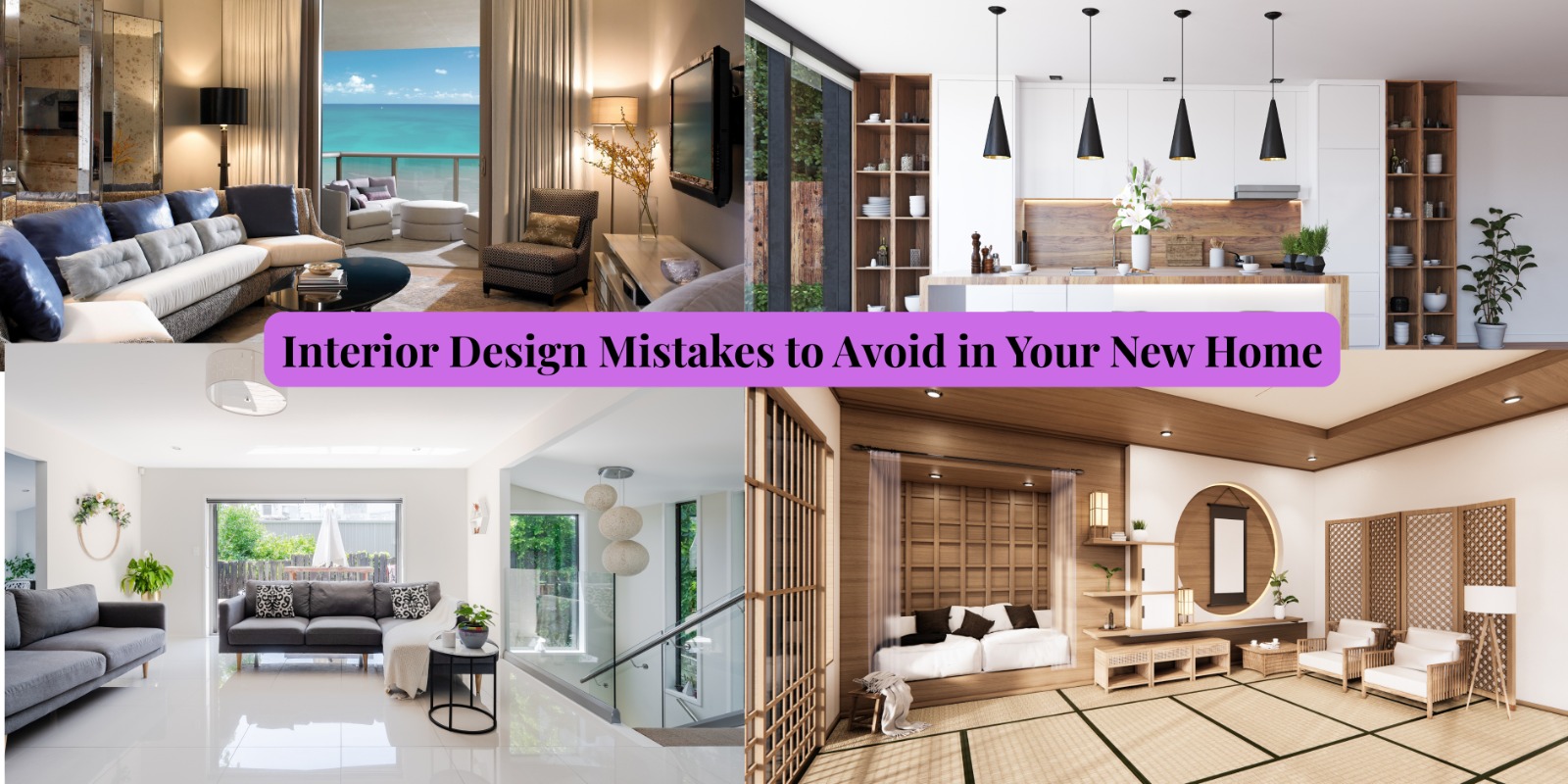
Interior Design Mistakes to Avoid in Your New Home

Begin Your New Home with the Right Design

Moving into a new home is exciting. You’ve got fresh walls, new furniture ideas, and endless Pinterest boards. But as exciting as it is, it’s also easy to make mistakes—especially when you try to do everything at once.

Whether you’re decorating a villa in Dubai or a cozy apartment in Jeddah, good design isn’t just about what you see—it’s about how your home feels every day. And some of the most common mistakes can make even beautiful spaces feel off.

In this blog, we’ll explore 5 common interior design mistakes and how to avoid them using timeless French and European design principles. You don’t need to be a designer—you just need the right mindset.


1. Rushing to Buy Everything at Once

The Mistake:

New homeowners often want to fill the entire home immediately—every wall, every corner, every room. The result? A cluttered space that lacks flow or purpose.

The Solution:

Take your time. French and European homes are known for being collected, not decorated. Rooms evolve with time and personal touches.

Start with the essentials:

  • A quality sofa
  • A good bed
  • Dining table and chairs

Then layer in textures, artwork, and accessories slowly—just like how European interiors mix vintage finds with modern pieces over time.


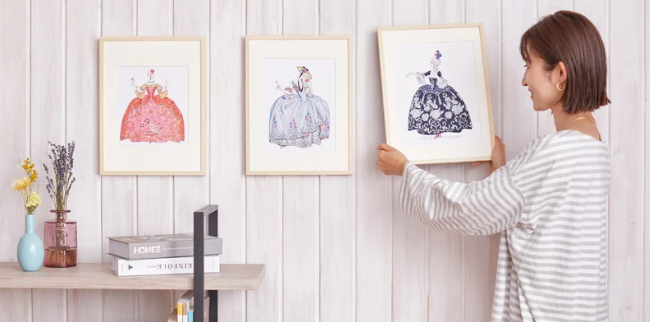
2. Hanging Artwork Too High or Too Low

The Mistake:

Art placed too close to the ceiling or too far down can make your room feel imbalanced or cramped.

The Solution:

Follow the golden rule of French galleries: hang art at eye level. That’s about 145–150 cm (57–60 inches) from the floor to the center of the piece.

European interiors also favor leaned or layered art—think paintings resting on consoles, or mirrors gently leaning on walls for a casual, elegant look.


3. Using Too Many Colors or Themes in One Home

The Mistake:

A pink bedroom, a navy kitchen, a gold living room—and suddenly your home feels like a rainbow, not a retreat.

The Solution:

French and European design teaches us to choose one main color palette and carry it throughout the home. This doesn’t mean everything should be beige. It just means your colors should flow smoothly.

Try this simple color combo:

  • Base: Soft white, cream, or greige
  • Accent: Olive green, muted navy, blush pink
  • Metal: A consistent finish like brushed gold or black

Use textiles (curtains, cushions, rugs) to add personality without creating chaos.


4. Ignoring Lighting Layers

The Mistake:

Relying only on ceiling lights makes rooms feel cold and flat—even in large homes.

The Solution:

Layer your lighting like the French layer their fashion.

Use:

  • Overhead lighting (chandeliers or ceiling lights) for general brightness
  • Wall sconces or table lamps for soft, cozy lighting
  • Accent lighting (under cabinets, in shelves) to highlight design details

In European homes, lighting is not just practical—it’s part of the design. Think of a crystal chandelier in the dining area, or antique sconces in a hallway.


5. Choosing Furniture That’s Too Big or Too Small

The Mistake:

Oversized sofas in small rooms or tiny chairs in large halls throw off the balance of your home.

The Solution:

Measure before you buy. Use painter’s tape or newspapers to block out the size of the furniture on your floor.

French interiors are great at mixing proportions. You might see:

  • A large mirror over a small console
  • Slim armchairs around a chunky coffee table
  • Light-legged furniture that keeps a space open

The key is balance and breathing space—nothing should feel crammed or floating alone.


Bonus Tip: Avoiding Personal Touches

Sometimes, homeowners focus so much on design that the house ends up looking like a showroom—not a home.

The Fix:

Add pieces that mean something to you.
A framed photo, a favorite book, a candle from your travels—these small touches bring warmth and personality.

In French homes, there’s always something personal—a painting passed down from family, a ceramic bowl from a weekend market, or a favorite chair by the window. That’s what makes a house feel like yours.


Conclusion: Design Slowly, Live Fully

Your new home doesn’t need to be perfect on Day 1. Good design takes time. It listens, adjusts, and grows with you.

By avoiding these common mistakes—and following timeless European design tips—you can create a home that feels beautiful, balanced, and truly yours.

Don’t decorate for Instagram. Design for your everyday joy.
Because the best homes are not just designed—they’re lived in.


 Need Help Avoiding These Mistakes?

SHTS Interiors specializes in French-Arabic fusion design that balances elegance, comfort, and cultural beauty. Whether you’re furnishing your first apartment or customizing a luxury villa in Dubai or Riyadh, we’ll help you make every square meter work with grace.

📩 Book your free design consultation today.